
Physiotherapy as Primary Prevention - Muscle Power Training for Seniors

Physiotherapy as Primary Prevention - Muscle Power Training for Seniors
This course includes
Overview
This course explores the role of muscle power training as a primary prevention strategy for maintaining and enhancing physical function in older adults. Recorded at the Canadian Physiotherapy Association 2019 Forum in Charlottetown, PEI, the session presents recent evidence on the development of power‑focused resistance training programs and how these differ from traditional exercise prescriptions. The focus is on creating meaningful effort and intentional training stimulus to improve power output in older clients, which is a critical component for daily activities and resilience.
The course emphasizes the importance of physiotherapists adopting a preventative approach — shifting from traditional reactive therapy to interventions aimed at sustaining and enhancing muscle power to help older adults remain functional, independent, and resilient to life stressors.
Why This Course Matters
Muscle power — the ability to generate force quickly — declines more rapidly with age than muscle strength alone and is strongly linked to functional performance, mobility, and fall prevention. Recent research suggests that power training may improve physical function outcomes more effectively than traditional strength training, offering clinical relevance for physiotherapy practice.
Physiotherapists, with their expertise in movement, exercise prescription, and functional assessment, are uniquely positioned to lead the implementation of power‑focused prevention programs. Integrating power training into clinical practice supports older adults in performing everyday activities with greater independence and resiliency, addressing key determinants of healthy aging.
Learning Objectives
By the end of this course, participants will be able to:
-
Explain the role of muscle power in physical function for older adults
-
Describe how power‑type training can be used to prevent declining physical function and enhance physical resilience
-
Discuss how physiotherapists can shift their exercise prescription approach toward power‑focused primary prevention
-
Identify practical strategies for designing power training programs suited to older adults based on evidence and clinical insight
Audience
This course will benefit:
-
Physiotherapists and rehabilitation clinicians interested in exercise prescription for older adults
-
Students and researchers engaged in aging, functional performance, and exercise science
-
Practitioners seeking to incorporate primary prevention strategies into clinical or community‑based exercise programming
-
Clinicians involved in outpatient, community, home‑care, or geriatric practice settings
The instructors


BSc(PT), PhD, ACSM-RCEP, CF-L1
Dr. Scotty Butcher is an Associate Professor in the School of Rehabilitation Science at the University of Saskatchewan and co-founder of Strength Rebels. He holds a BSc PT and MSc Kin from the University of Saskatchewan and a PhD in Exercise Physiology and Experimental Medicine from the University of Alberta.He is certified as a Registered Clinical Exercise Physiologist (ACSM-RCEP), is a CrossFit Level 1 trainer (CF-L1), and is formerly certified as a Certified Strength and Conditioning Specialist (NSCA-CSCS); the latter of which he has formally relinquished.
Scotty teaches exercise physiology, prescription, and rehabilitation to physical therapy students and has published several peer reviewed articles and two book chapters related to exercise testing and prescription. Currently training as a powerlifter, he has a passion for strength training and translates this to promoting quality exercise training and rehabilitation practices for clinicians and students. His focus in research, teaching, and clinical work is on the hybrid rehabilitation/strength training approach, and shares his views through blogging and vlogging.
Material included in this course
-
Lessons
-
Welcome and Slides
-
Resistance and Power Quiz
-
Power Training for the Elderly
-
Power Training For The Elderly Quiz
-
Comparing Power and Strength Training Pt.1
-
Comparing Power and Strength Training Pt 1 Quiz
-
Comparing Power and Strength Training Pt.2
-
Comparing Power and Strength Training Pt 2 Quiz
-
Practical Power Methods
-
Practical Power Methods Quiz
-
Q&A
-
What's Next?
-
References and Additional Resources from the course
-
Feedback
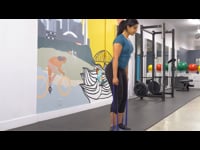
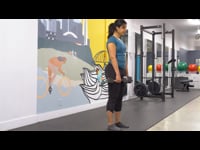
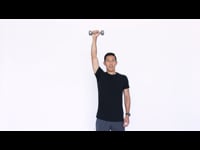
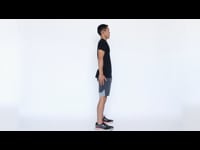
Patient exercises included in this course
-
Deadlift - Band
-
Deadlift - Dumbbell
-
Shoulder Press in Standing
-

Kettlebell Squats
-
Squat to 90 Degrees
-
Push-Ups from Knees
-
Push-Ups from Toes
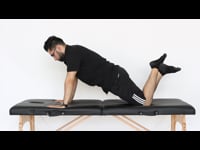
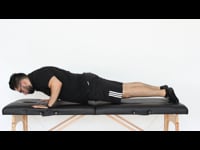
This course has exercises. Can I prescribe them to my patients?
Yes, exercises included in courses or resource packages on Embodia can be prescribed directly through the Embodia platform. A Tier 2 or 3 Membership is required to prescribe exercises. These memberships include a range of other features. You can learn about home exercise programs (HEP) on Embodia here, and about memberships on Embodia here.