
Manual Osteopathic Management of Fertility-Related Dysfunction in Women
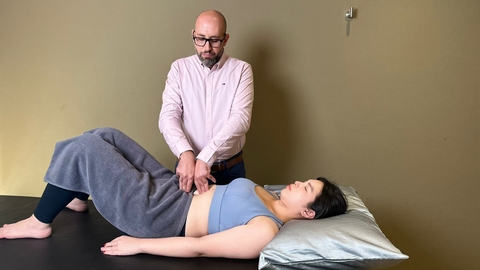
Manual Osteopathic Management of Fertility-Related Dysfunction in Women
This course includes
The instructors
Overview
Manual Osteopathic Management of Fertility-Related Dysfunction in Women is a clinical course designed for practitioners who want to confidently address structural and functional contributors to female fertility challenges.
This course goes beyond theory.
We explore how mobility, circulation, autonomic balance, and fascial integrity influence ovarian and uterine function. You will learn how restrictions in the pelvis, sacrum, thoracolumbar junction, diaphragm, and visceral structures may impact reproductive health.
The course is practical and clinically focused.
You will understand:
- How to assess fertility-related dysfunction from a whole-body perspective
- How to identify mechanical, vascular, and neurological contributors
- How to apply gentle and precise osteopathic manual techniques safely
- How to integrate your treatment within multidisciplinary fertility care
The goal is not to replace gynecological or reproductive medicine.
The goal is to optimize the structural and physiological environment in which fertility occurs.
Learning Objectives
In this online course, you will:
- Understand the osteopathic principles behind fertility-related dysfunction and how structure influences reproductive physiology.
- Identify key anatomical structures involved in female fertility, including uterine ligaments, ovarian mobility, pelvic diaphragm, sacrum, and thoracolumbar junction.
- Perform a structured clinical assessment for women presenting with fertility challenges.
- Apply safe and effective manual techniques to improve uterine and ovarian mobility, enhance circulation, and support autonomic regulation.
- Recognize the role of scar tissue, adhesions, and previous procedures such as D&C or pelvic infections in fertility dysfunction.
- Integrate osteopathic management within a collaborative care model alongside gynecologists, endocrinologists, and IVF teams.
Audience
This course is designed for:
- Physiotherapists with manual therapy training
- Women’s health physiotherapists
- Manual therapists with pelvic health experience
- Advanced students in osteopathy or physiotherapy
- Osteopaths
Participants should have foundational knowledge of pelvic anatomy and manual therapy principles.
The instructors

Doctor of Osteopathy, Consultant Physiotherapist, International Instructor
Sarwat is a renowned senior physical therapist, expert in osteopathy and manual therapy, and International instructor based in Dubai. He draws from an Egyptian/Turkish diverse background and a lifelong pursuit of knowledge in health and wellness.
Sarwat is recognized as an accredited Continuing Education Provider by the Dubai Health Authority. (DHA). He has twenty years of clinical experience.
Sarwat is highly dedicated to his field. He has a strong passion for self-development and sharing his knowledge, particularly through creating high-quality educational courses. He strives to combine practical expertise with theoretical education to deliver valuable and unique content. Sarwat also consistently work on improving his explanation and communication style, which shows how much importance he places on making a clear and direct impact on his students. He pay great attention to detail and aim to strike a balance between simplifying complex scientific ideas and presenting them professionally. Sarwat works hard to develop content that bridges physiotherapy and osteopathy in innovative ways tailored to real needs.Material included in this course
-
Theory & Principles
-
Manual Osteopathic Management of Fertility-Related Dysfunction in Women
-
How to Integrate osteopathic management within a collaborative care model alongside gynecologists, endocrinologists, and IVF teams?
-
The role of scar tissue, adhesions, and previous procedures such as D&C or pelvic infections in fertility dysfunction.
-
Key anatomical structures involved in female fertility
-
Osteopathic principles behind fertility-related dysfunction
-
Clinical reasoning
-
Knowledge Check Quiz
-
Feedback
-
Practical Techniques & Clinical Application
-
Visceral Thrust
-
Coccyx & posterior pelvic floor release
-
Floating ilium technique
-
Bladder manipulation
-
Pelvic floor release
-
Deep uterine & ovarian release
-
Round ligament and inguinal ring
-
Sitting “lift” technique for the bladder
-
Umbilical release for urachus
-
Unilateral contact for the fallopian tube or ovary area.
-
Direct and combined techniques for the uterus.
-
induction techniques for the uterus and related structures.
-
Mobilization Cranially in the Seated Position according to Barral
-
Combined Technique for the Median Umbilical ligament, Medial Umbilical ligament, and Pubovesical ligament in the Supine Position according to Barral
-
Treating the bladder and sacrum simultaneously according to Jean-Pierre Barral
-
Obturator Foramen Technique
-
Test and Treatment of the Ovaries and Broad ligament of the Uterus according to Barral
-
Combined Mobilization of the Uterus with leg lever in the Supine Position according to Barral
-
Spring test
-
Presacral fascia release
-
Sacroiliac release techniques
-
Peritonium
-
Pectoral lift
-
Ischiorectal fossa
-
Sacroiliac Gapping
-
Pelvic diaphragm release technique
-
Breast techniques
-
Knowledge Check Quiz
-
Feedback
-
Downloadable course handout
-
Professional Communication Template for Fertility Clinic Collaboration
-
The role of scar tissue, adhesions, and previous procedures such as D&C or pelvic infections in fertility dysfunction.pdf
-
How to Integrate osteopathic management within a collaborative care model alongside gynecologists, endocrinologists, and IVF teams?pdf
-
How do you actually assess a woman presenting with fertility challenges?
-
Key anatomical structures involved in female fertility
-
Manual Osteopathic Management of Fertility-Related Dysfunction in Women
-
Osteopathic principles behind fertility-related dysfunction
-
Fertility-Related Dysfunction in Women
-
Feedback
-
References
Is this course suitable for beginners?
This course is designed for practitioners with prior training in anatomy and manual therapy. A foundational understanding of pelvic structures is recommended.
Does this course teach internal pelvic techniques?
The course focuses primarily on external osteopathic and visceral manual techniques. Any internal work should be performed only by practitioners trained and licensed to do so within their scope of practice.
Can osteopathic treatment cure infertility?
No manual therapy can guarantee fertility outcomes. This course focuses on optimizing structural and physiological function to support reproductive health in collaboration with medical care.
Is this course appropriate for patients undergoing IVF?
Yes. Many techniques taught in this course are suitable for supporting patients before or between IVF cycles. However, treatment timing and intensity must be carefully considered.
How quickly can patients expect results?
Response varies depending on the individual, underlying pathology, age, and overall health. The course teaches you how to set appropriate expectations with patients.
Is a certificate of completion included with this course?
Once you have completed the course, a certificate of completion (including learning hours and course information) will be generated. You can download this certificate at any time. To learn more about course certificates on Embodia please visit this guide.
This can be used for continuing education credits, depending on your professional college or association. If this course has been approved for CEUs in specific jurisdictions, it will be noted on the course page and CEU information may be added to your course certificate. Please read this guide for more information.