
Throwing-Related Injuries: Clinical Application

Throwing-Related Injuries: Clinical Application
This course includes
Overview
Throwing-related injuries are often influenced by the complex interaction of movement patterns and deficits throughout the kinetic chain that can increase stress on the shoulder and elbow. This course will explore how understanding throwing biomechanics helps clinicians identify the underlying contributors to injury, make more informed clinical decisions, optimize rehabilitation, and determine when an athlete can safely continue throwing, modify activity, or should temporarily stop throwing.
The course explores the "thrower's paradox", encompassing the shoulder's simultaneous need for extreme mobility and dynamic stability and learn why structural adaptations like increased humeral torsion aren't automatically signs of pathology. The course reframes throwing-related pain through regional interdependence, helping identify when proximal or distal breakdowns, training load errors, or fatigue are the real source of a patient's symptoms. It closes with a practical look at return-to-sport planning, treating recovery as a performance problem rather than a pain-management checklist.
Learning Objectives
By the end of this course, participants will be able to:
- Define the key biomechanics involved in throwing motions and how they may impact loads on the shoulder and elbow.
- Review specific injury mechanisms in the shoulder and elbow and how they relate to throwing.
- Explore how throwing biomechanics influence injury risk.
- Discuss strategies for biomechanical driven injury risk reduction.
- Explore intervention strategies that relate to throwing athletes; periodization, regional interdependence, sport specificity.
- Understand and consider roles and contributions from primary care sport med, PT and other healthcare professionals in the case of throwing related injuries in athletes
Audience
This course is designed for physiotherapists, sports medicine clinicians, athletic therapists, and allied healthcare professionals who assess, treat, or manage return-to-sport protocols for overhead throwing athletes, whether it is in an elite athletics setting, a sports medicine clinic, or a general orthopaedic caseload that includes baseball, softball, or volleyball players. The content is relevant both to early-career clinicians seeking a structured framework for complex sports injuries and to experienced practitioners looking to re-assess their current approach against a full kinetic-chain model. Whether you approach the overhead athlete primarily through movement mechanics, load management, or rehabilitation, this course will challenge and expand your conceptual model of how throwers generate velocity, adapt to structural stress, and successfully transition from basic pain-free status to demonstrated competitive performance capacity.
Why This Course Matters
Standard shoulder and elbow rehabilitation protocols often fall short when applied to overhead throwing athletes. Traditional approaches aimed at calming symptoms, stretching tight tissues, and strengthening weak muscle groups may overlook the underlying drivers of a thrower’s pain. In many cases, symptoms stem from kinetic chain breakdowns, training load errors, or normal anatomical adaptations. Prescribing interventions like sleeper stretches to address what appears to be a posterior capsule deficit can accidentally disrupt a sport-specific adaptation that the athlete requires to throw safely, leading to recurrent issues.
This course addresses these clinical challenges by examining throwing-related injuries through the principles of the thrower's paradox and regional interdependence. Participants will explore how the shoulder requires simultaneous high-level mobility and dynamic stability, and why distal symptoms at the elbow or shoulder often originate elsewhere in the kinetic chain. Moving beyond a purely structure-first model, this curriculum presents a framework centred on workload, fatigue management, biomechanics, and load capacity to address the root cause of tissue failure.
Participants will gain insight on how to:
- Evaluate Structural Adaptations: Differentiate between functional sport-specific adaptations (such as increased humeral torsion and altered rotational range of motion) and true pathology requiring clinical intervention.
- Identify Injury Risk Factors: Analyze intrinsic and extrinsic factors including training load, periodization errors, and fatigue-induced mechanical changes that can contribute to proximal or distal breakdown.
- Implement Multi-Phase Rehabilitation: Apply a non-linear return-to-throw framework that extends beyond basic symptom resolution.
- Incorporate Early Throwing Interventions: Integrate graded, sport-specific throwing load early within the rehabilitation process rather than saving throwing solely for final return-to-sport clearance.
- Assess Holistic Readiness: Combine physical capacity measurements with psychological readiness and structured patient education when making return-to-play determinations.
About the Speaker
Brendan Saville, PT, MPT, MCLSc(AHCP), Sport Dip.

Brendan Saville is a Registered Physiotherapist and Clinical Lead at Fowler Kennedy Sport Medicine Clinic, as well as the Lead Physiotherapist for Varsity Athletics at Fanshawe College. He has extensive experience working with athletes across multiple levels of competition, including professional and collegiate baseball players, as well as elite overhand throwing athletes such as javelin throwers.
His clinical practice focuses on the assessment, rehabilitation, and performance optimization of athletes, with a particular interest in understanding how biomechanics, movement and sport-specific training loads intersect to promote recovery and longevity.
The instructors


The Orthopaedic Division of the Canadian Physiotherapy Association helps our members improve their skills and service delivery through education, resources and networking.
With a reputation built on excellent instructors and a rigorous examination process, the Division offers tailored online e-learning, webinars, workshops, courses and practice resources for members at a reasonable cost and time commitment. Members learn from other practicing physiotherapists and stay current with a regularly updated curriculum and program delivery based on providing quality and modern treatment.
Material included in this course
-
Throwing Related Injuries: Clinical Application
-
Welcome and Slides
-
Introduction to Overhead Athlete Rehab
-
Biomechanics of the Throwing Motion
-
Evaluating Chronic Throwing Overload
-
Return-to-Throw Programs and Recovery
-
Sport-Specific Mechanics
-
References
-
Feedback
-
Course Summary and Knowledge Check
-
Summary and Key Insights
-
Knowledge Check
Patient exercises included in this course
-
Cable Kickstand 90/90 External Rotation to Overhead Press - Ipsilateral
-
Unilateral Medicine Ball Slams
-
Incline Y Catch and Release (Unilateral)
-
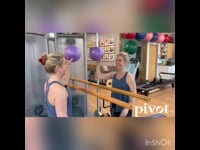
Shoulder Proprioception Ball Bounce
-
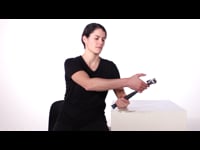
Pronation and Supination with a Hammer


Patient education included in this course
-
Understanding Heavy Slow Resistance (HSR) Training for Tendon Pain
-
Shoulder Impingement
-
Rotator Cuff Tear
-
Concerned About Your Shoulder X-ray or MRI Findings?
Is a certificate of completion included with this course?
Once you have completed the course, a certificate of completion (including learning hours and course information) will be generated. You can download this certificate at any time. To learn more about course certificates on Embodia please visit this guide.
This can be used for continuing education credits, depending on your professional college or association. If this course has been approved for CEUs in specific jurisdictions, it will be noted on the course page and CEU information may be added to your course certificate. Please read this guide for more information.
I'm a member of the Canadian Physiotherapy Association (CPA). What are the discounts available to CPA Members on Embodia?
As part of our partnership with the CPA, we offer its members discounts on courses and Embodia Memberships. Learn more about the partnership on this page.
In order for the discount to be applied, you first need to authenticate your CPA membership. This is an important step as this is how Embodia 'knows' that you are a CPA member.
To authenticate as a CPA member, please visit this page on the CPA portal.
Please note that your email address on your CPA account must match your email address on Embodia. If needed, you can update your information on Embodia as outlined in this guide.
Who is this throwing biomechanics course for?
It's designed for physiotherapists and allied health professionals who assess or treat overhead throwing athletes, from general orthopaedic clinicians to those working in dedicated sports medicine settings.
This course has exercises. Can I prescribe them to my patients?
Yes, exercises included in courses or resource packages on Embodia can be prescribed directly through the Embodia platform. A Tier 2 or 3 Membership is required to prescribe exercises. These memberships include a range of other features. You can learn about home exercise programs (HEP) on Embodia here, and about memberships on Embodia here.
This course has patient education. Can I share it with my patients?
Yes, patient education included in courses or resource packages on Embodia can be shared directly through the Embodia platform. A Tier 2 or 3 Membership is required to share education. These memberships include a range of other features. You can learn about patient education on Embodia here, and about memberships on Embodia here.