
Novel Rehabilitation Approaches for Complex Regional Pain Syndrome

Novel Rehabilitation Approaches for Complex Regional Pain Syndrome
This course includes
The instructors
Overview
Complex Regional Pain Syndrome is one of the most disabling pain conditions you'll encounter in practice, and it's rarely straightforward to treat. Interdisciplinary rehabilitation is the recommended cornerstone of CRPS management, but current approaches vary widely, often show limited effectiveness, and don't always have a clear mechanism behind them. If you've felt uncertain about what to actually do once a CRPS diagnosis is confirmed, you're not alone.
In this course, Marc Aureli Piqué Batalla walks you through three contemporary, biopsychosocial rehabilitation frameworks: Cognitive Functional Therapy (CFT), the Fit-for-Purpose model, and Cognitive Multisensory Rehabilitation (CMR). None of these have been formally validated in CRPS populations yet, but each has shown promising results in related conditions like chronic low back pain and neuropathic pain following spinal cord injury. You'll learn what each framework offers, how they differ in addressing pain mechanisms, behaviour, and body awareness, and how to start applying them in your own CRPS caseload.
This course builds on Marc's existing course, Myth-busting in Complex Regional Pain Syndrome. Where that course focuses on understanding CRPS diagnosis and dispelling common misconceptions, this webinar moves into treatment: what you can actually apply in the clinic.
Learning Objectives
By the end of this course, you will be able to:
- Identify at least three key clinical challenges associated with rehabilitation in individuals with CRPS
- Describe the core principles of Cognitive Functional Therapy (CFT), the Fit-for-Purpose model, and Cognitive Multisensory Rehabilitation (CMR)
- Differentiate how each approach addresses pain mechanisms, behaviour, and body awareness in clinical practice
- Apply at least two practical strategies from these frameworks to support rehabilitation planning in CRPS
- Integrate biopsychosocial and person-centred approaches into clinical reasoning to enhance patient engagement, function, and self-management
Who This Is For
Physiotherapists, occupational therapists, and other clinicians treating patients with CRPS or complex chronic pain presentations, including those working in interdisciplinary pain teams.
Why This Course Matters
Inconsistent rehabilitation approaches for CRPS don't just affect outcomes, they affect clinician confidence. When the evidence base is thin and care pathways vary, it's hard to know whether you're doing right by your patient.
This course gives you a grounded look at three frameworks gaining traction in pain rehabilitation more broadly, with an honest acknowledgment of where the evidence currently stands for CRPS specifically, so you can make informed decisions in the clinic rather than defaulting to guesswork.
The instructors
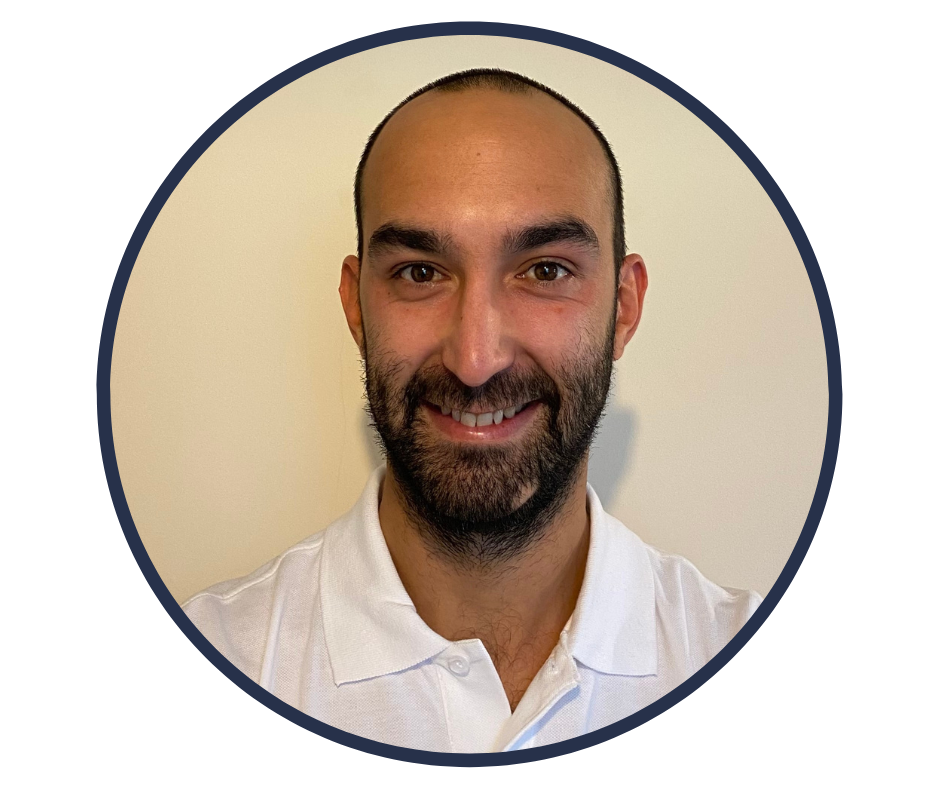
MSc (Health Science Research) BSc (Physiotherapist) MCSP
Marc is a physiotherapist, researcher, and lecturer with over ten years of experience on the treatment of long-term complex conditions, including neurological and chronic pain syndromes.
He has an MSc in Health Science Research and he is currently undertaking a PhD exploring the relationship between cognition, human movement and pain. Marc teaches across a variety of clinical settings and countries.
Marc is a dedicated lecturer committed to providing evidence-based education to a wide variety of health professionals. He is Cognitive Multisensory Rehabilitation instructor certified by the International Cognitive Multisensory Rehabilitation Association.
You can find Marc on X (@PiqueBatalla)
Material included in this course
-
Welcome and Resources
-
Welcome and Slides
-
Course Materials
-
Full Presentation
-
References, Exam, and Course Evaluation
-
Course References
-
Exam
-
Course evaluation
Is a certificate of completion included with this course?
Once you have completed the course, a certificate of completion (including learning hours and course information) will be generated. You can download this certificate at any time. To learn more about course certificates on Embodia please visit this guide.
This can be used for continuing education credits, depending on your professional college or association. If this course has been approved for CEUs in specific jurisdictions, it will be noted on the course page and CEU information may be added to your course certificate. Please read this guide for more information.
Has this course been approved for CEUs (Continuing Education Units) for Physical Therapists and Physical Therapy Assistants in the US?
Yes, Embodia is a rule-approved CE provider of the PT Board of Florida (# 50-54793), a licensed CE sponsor of physical therapy continuing education by the Illinois Department of Financial & Professional Regulation (IDFPR #216.000415), an approved provider of continuing education by APTA Massachusetts, an approved provider of the Oklahoma Board of Medical Licensure & Supervision - Physical Therapy (#50-54793), and an approved provider of continuing education for Physical Therapists and Physical Therapist Assistants in California (CA) by CEUapproval.com, a recognized approval agency of the Physical Therapy Board of CA.
Courses approved by other state boards in the following jurisdictions are likely accepted for licensure credit based on the state regulation:
AL | AK | AR | CO | CT | DE | GA | HI | ID | IL | IN | IA | KS | KY | ME | MA | MI | MO | MT | NE | NH | NC | ND | OK | OR | PA | RI | SC | SD | UT | VT | VA | VI | WA | WI | WY
Please reach out to your state licensing board to confirm. If you have a specific question about CEU approval for this course in your state, please direct your inquiry to info@ceuapproval.com
The following states are not pre-approved: AZ, DC, LA, MD, MN, MS, NM, NV, NY, NJ, OH, TX, WV
Participants licensed in states not pre-approved may file for individual approval using the instructions on this document.
US PTs and PTAs: How many CEUs has this course been approved for?
This course has been approved for 2 CEUs (Continuing Education Units) for Physical Therapists and Physical Therapy Assistants in the US. Please see the FAQ 'Has this course been approved for CEUs (Continuing Education Units) for Physical Therapists and Physical Therapy Assistants in the US?' for a detailed list of the approved states. In order for your US jurisdiction information to appear on your course certificate, you must complete your jurisdiction information on your Embodia profile as per this guide.