
Telerehab Assessments: Live Virtual Consultations with Carolyn Vandyken & Darryl Yardley

Telerehab Assessments: Live Virtual Consultations with Carolyn Vandyken & Darryl Yardley
This course includes
The instructors
Overview
Reading about telerehabilitation is one thing. Watching an experienced clinician actually do it — in real time, with a real patient, navigating the constraints of a screen — is something else entirely. This resource gives you exactly that. Carolyn Vandyken and Darryl Yardley each recorded a live telerehab consultation, unscripted, so you can observe how two seasoned physiotherapists think through assessment decisions, build rapport virtually, and develop treatment direction without laying a hand on their patient.
If you have ever wondered whether a thorough orthopaedic assessment is even possible over video, these recordings will change your mind.
The Cases
Meet Emily. A young high school teacher with a four year history of low back pain. Previous pelvic health physiotherapy and chiropractic treatment contributed to a loss of hope that her back pain could ever improve. What can we do for her on telerehab? As it turns out, a lot!
Meet Dino. A cross-fit athlete with a five-month history of shoulder pain. Is it structural? Can we effectively assess a peripheral joint and address high-level function through telerehab? Darryl does a thorough assessment taking Dino into his gym to look for comparable signs. Observe Darryl has he develops loading strategies that will help Brendan restore his capacity for ring dips and hand-stand pushups.
Learning Objectives
By the end of this resource, you will be able to:
- Observe how a biopsychosocial history unfolds in a telerehab setting, including how a clinician listens for and responds to psychosocial flags in real time.
- Identify the key components of a virtual spinal assessment, including how Carolyn uses the patient's movement history and pain behaviour to guide clinical reasoning without hands-on testing.
- Recognize how a peripheral joint assessment can be conducted effectively via telerehab, including how Darryl takes his patient into their own environment to find comparable signs.
- Apply practical strategies for developing loading progressions and home exercise direction based on telerehab findings alone.
- Build confidence in your own telerehab assessment approach by observing how experienced clinicians handle uncertainty, adapt on the fly, and still arrive at a clear clinical direction.
Audience
This resource is designed for physiotherapists and rehabilitation professionals who are delivering — or preparing to deliver — care via telerehabilitation. It is particularly useful for orthopaedic clinicians who are confident in their hands-on assessment skills but unsure how to translate that competency to a virtual format. Clinicians who have already completed Telerehabilitation 101 with Carolyn and Brittany Vandyken will find this a valuable companion — a chance to see the frameworks from that course applied in an unscripted clinical encounter.
Why This Resource Matters
One of the most common barriers to telerehab adoption among physiotherapists is not technology — it is confidence. When you have spent years developing your hands-on assessment skills, being asked to work without them can feel like practicing with one hand tied behind your back. What these recordings demonstrate is that the loss of physical access does not have to mean a loss of clinical rigour.
Both Carolyn and Darryl arrive at clear, defensible clinical reasoning — not despite the telerehab format, but by working skillfully within it. Watching that process in real time, with real patients, is one of the fastest ways to close the gap between knowing telerehab is possible and believing you can do it well.
The instructors

PT, B.Kin (Hons), M.Sc.(PT), M.Cl.Sc.(Manip), FCAMPT
Darryl has been a physical therapist for more than a decade. He is a clinic owner and the Chief Operating Officer for Clinic Accelerator where he supports 500+ clinic owners with their operations, recruitment and clinician performance. He has mentored and helped thousands of Physical Therapists become all-star clinicians, clinic directors, and equity partners. He is past chair of the Private Practice Section of the Canadian Physiotherapy Association, co-author of "Diagnosis and Management of Femoroacetabular Impingement", and is a professor of Business and Leadership in Physical Therapy at Western University.
BHSc (PT), CredMDT, CCMA
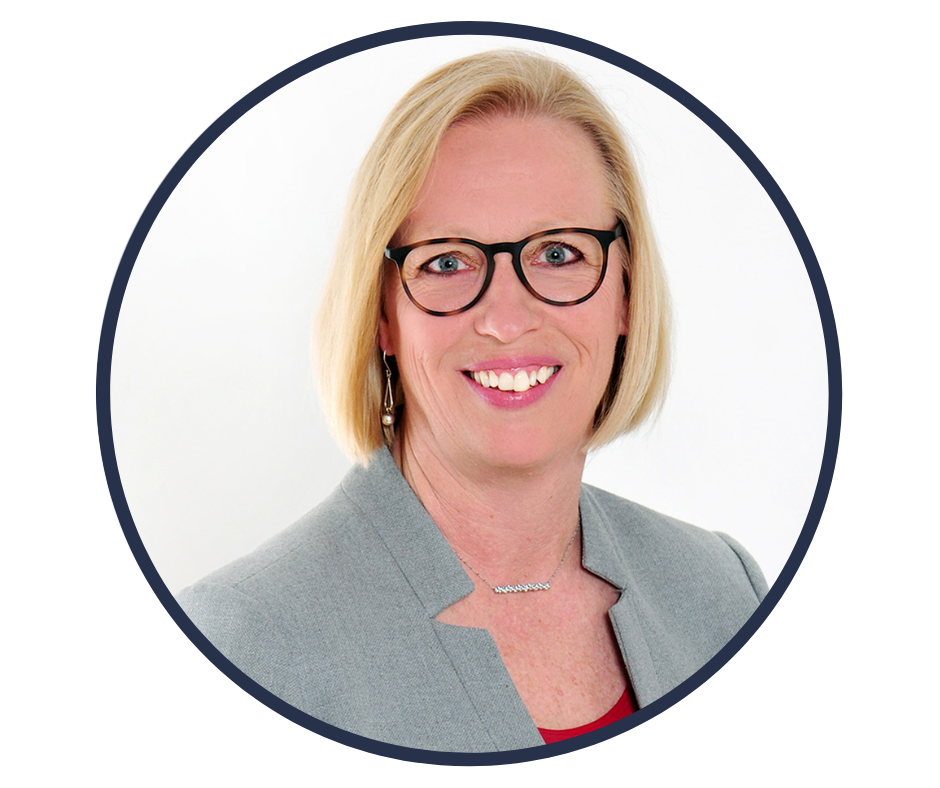
Carolyn is the co-owner of Reframe Rehab, a teaching company engaged in breaking down the barriers internationally between pelvic health, orthopaedics and pain science. Carolyn has practiced in orthopaedics and pelvic health for the past 37 years. She is a McKenzie Credentialled physiotherapist (1999), certified in acupuncture (2002), and obtained a certificate in Cognitive Behavioural Therapy (CBT) in 2017.
Carolyn received the YWCA Women of Distinction award (2004) and the distinguished Education Award from the OPA (2015). Carolyn was recently awarded the Medal of Distinction from the Canadian Physiotherapy Association in 2021 for her work in pelvic health and pain science.
Carolyn has been heavily involved in post-graduate pelvic health education, research in lumbopelvic pain, speaking at numerous international conferences and writing books and chapters for the past twenty years in pelvic health, orthopaedics and pain science.
Material included in this course
-
Telerehabilitation Assessments
-
Darryl Yardley's Virtual Consult
-
Carolyn Vandyken's Virtual Consult
-
Carolyn Consult Debrief
-
Feedback
How can I get this course for free?
Embodia Membership gives you access to a wide range of evidence-based courses, clinical tools, and resources all in one place. As a member, this course (and many others) is included at no additional cost, helping you save time and money while staying up-to-date in your practice.
If you’re not yet a member, non-members can still access the course for a one-time fee. Joining Embodia unlocks this course plus hundreds of hours of additional education and clinical resources, making membership the most convenient and cost-effective way to continue learning.
You can learn more about membership options available on the Embodia membership pricing page.
Is a certificate of completion included with this course?
Once you have completed the course, a certificate of completion (including learning hours and course information) will be generated. You can download this certificate at any time. To learn more about course certificates on Embodia please visit this guide.
This can be used for continuing education credits, depending on your professional college or association. If this course has been approved for CEUs in specific jurisdictions, it will be noted on the course page and CEU information may be added to your course certificate. Please read this guide for more information.
Do I need any prior training in telerehabilitation to get value from this resource?
No. There are no prerequisites, and these recordings are accessible to clinicians at any stage of their telerehab journey — whether you have been seeing patients virtually for years or are just getting started. What you will get most out of this resource is an honest look at how two experienced clinicians think and adapt in a live virtual encounter.
If you want to go deeper on the why behind what you are watching — the assessment frameworks, distress screening tools, and pain education strategies that shape Carolyn's clinical reasoning — Telerehabilitation 101 provides that foundation. Completing it before or after watching these recordings will add a layer of clinical context that makes both resources more useful. Learn more about Telerehabilitation 101 on Embodia.