
GI Dysfunction in the Immediate Post-Partum Era

GI Dysfunction in the Immediate Post-Partum Era
This course includes
The instructors
Overview
GI Dysfunction in the Immediate Postpartum Era is an Embodia course that explores the complex interplay between postpartum physiological changes and gastrointestinal (GI) health in women. Presented by Susan Clinton, this course provides clinicians with an in-depth understanding of how hormonal transitions, anatomical shifts, and mechanical pressures during pregnancy and the postpartum period influence GI function, motility, and overall digestive health.
Learners will gain a comprehensive view of the peritoneal cavity, visceral anatomy, and musculoskeletal integration, and how these systems are impacted by pregnancy. The course emphasizes individualized assessment and therapeutic strategies to restore GI function and support resilience during the postpartum period.
Learning Objectives
By the end of this course, participants will be able to:
-
Describe how hormonal changes during pregnancy and postpartum affect GI, endocrine, and immune systems.
-
Explain the anatomy and functional role of the peritoneal cavity in digestion and motility.
-
Identify the importance of the greater omentum in immune function and abdominal healing.
-
Understand how musculoskeletal structures and postural changes influence GI health postpartum.
-
Recognize the impact of mechanical pressure gradients on colonic transit and postpartum GI symptoms.
-
Apply strategies to support individualized postpartum recovery for GI function.
-
Integrate anatomical, hormonal, and mechanical insights into clinical assessment and treatment planning.
Audience
This course is ideal for:
-
Physiotherapists and pelvic health specialists
-
Occupational therapists
-
Chiropractors and osteopaths
-
Postpartum care providers and rehabilitation clinicians
-
Interdisciplinary teams working with postpartum women
Why This Course Matters
Postpartum GI dysfunction is often under-recognized yet highly impactful on quality of life. Pregnancy and birth induce hormonal, anatomical, and mechanical changes that disrupt normal GI function, potentially leading to constipation, bloating, and delayed colonic transit.
This course matters because it:
-
Highlights the complex and interconnected nature of postpartum physiological changes.
-
Provides insight into anatomical and mechanical factors that influence GI motility and recovery.
-
Equips clinicians to tailor interventions beyond the conventional six-week postpartum period.
-
Encourages multidisciplinary and individualized approaches, integrating musculoskeletal, visceral, and hormonal considerations.
The instructors

PT, DScPT, OCS, WCS, COMT, FAAOMPT WHC NBC-HWC
Dr. Clinton is an award-winning physical therapist in professional achievement and the owner of LTI Physio in Sault Ste. Marie, MI. Susan is board certified in orthopedic and women’s health physical therapy, a fellow of the American Academy of Orthopedic Manual Therapy, and a board certified health and wellness coach.
She is an international instructor/mentor of post-professional education in women’s health (including GI issues in women), orthopedic manual therapy, health/wellness coaching for the health care practitioner and business psychology. She is on faculty at Andrews University in the Doctor of Science in PT program, a Master Coach for the Integrative Women’s Health Institute, a reviewer for the Journal of Womens Health Physical Therapy and a clinical faculty instructor for the North American Institute of Orthopedic Manual Therapy and ASPIRE. She is also an active author in research and blog posts, and is an active professional/clinical mentor. Susan is the co-founder and board member for the foundation: Global Women’s Health Initiative. She is also the co-host of the 5 five-star podcast, “Tough to Treat,” the guide to treating complex patients, and “The Genius Project,” reframing the treatment of persistent musculoskeletal pain.
Susan enjoys walking / hiking, country line dance and ballroom, and is an avid supporter of music, the arts, and international objectives for women’s health.
Material included in this course
-
Presentation
-
Welcome and Slides
-
Introduction and GI Physiology
-
Impact of Pregnant Physiology
-
Neurophysiology of the GI System
-
What Goes Wrong - Post Natal Pt1
-
What Goes Wrong - Post Natal Pt2
-
The Systems Approach
-
Food Sensitivities and Nutrition
-
Exercise and Athletics
-
Feedback
-
Q&A and Summary
-
Questions
-
Questions that were not answered during the webinar
-
Summary and Key Insights
-
Feedback
Patient exercises included in this course
-
Abdominal Massage
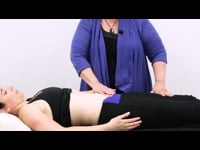
Patient education included in this course
-
Supporting Your Gut with Nutrition and Lifestyle
-
How Hormones Affect Your Digestive System After Pregnancy
-
Common Digestive Symptoms After Pregnancy
-
Gentle Abdominal Massage to Support Digestion and Motility
-
How Your Body Protects Itself Inside the Abdomen
-
How Pregnancy and Postpartum Affect Your Digestive System
-
Better poop positions using the Squatty Potty
Templates included in this course
-
GI Dysfunction in the Immediate Postpartum Era
This course has exercises. Can I prescribe them to my patients?
Yes, exercises included in courses or resource packages on Embodia can be prescribed directly through the Embodia platform. A Tier 2 or 3 Membership is required to prescribe exercises. These memberships include a range of other features. You can learn about home exercise programs (HEP) on Embodia here, and about memberships on Embodia here.
This course has patient education. Can I share it with my patients?
Yes, patient education included in courses or resource packages on Embodia can be shared directly through the Embodia platform. A Tier 2 or 3 Membership is required to share education. These memberships include a range of other features. You can learn about patient education on Embodia here, and about memberships on Embodia here.
Is a certificate of completion included with this course?
Once you have completed the course, a certificate of completion (including learning hours and course information) will be generated. You can download this certificate at any time. To learn more about course certificates on Embodia please visit this guide.
This can be used for continuing education credits, depending on your professional college or association. If this course has been approved for CEUs in specific jurisdictions, it will be noted on the course page and CEU information may be added to your course certificate. Please read this guide for more information.
How can I get this course for free?
Embodia Membership gives you access to a wide range of evidence-based courses, clinical tools, and resources all in one place. As a member, this course (and many others) is included at no additional cost, helping you save time and money while staying up-to-date in your practice.
If you’re not yet a member, non-members can still access the course for a one-time fee. Joining Embodia unlocks this course plus hundreds of hours of additional education and clinical resources, making membership the most convenient and cost-effective way to continue learning.
You can learn more about membership options available on the Embodia membership pricing page.